

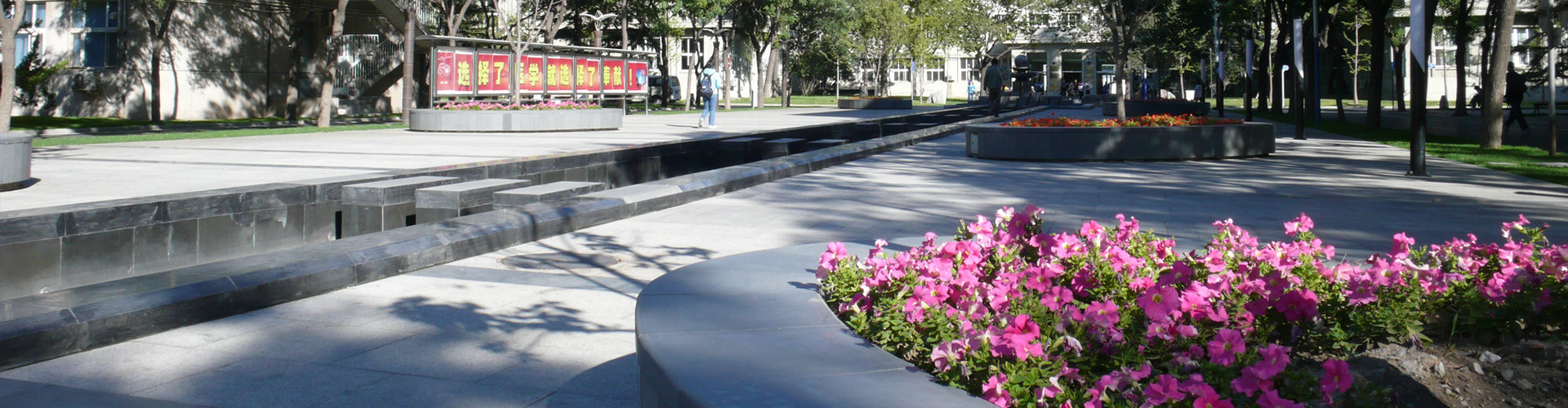
Capital Medical University Hosts 2024 International Symposium on Life Sciences
On June 1, 2024, the "2024 International Symposium on Life Sciences," co-organized by Capital Medical University and the State Key Laboratory of Neurobiology and Tumor Drug Development, was held in the Sir Run Run Shaw Lecture Hall, North Building of the Basic Research Building, Capital Medical University. The symposium centered on the theme of "Frontiers in Research and Treatment of Neurodegenerative Diseases." Experts, scholars, researchers, young scientists, and graduate students from China, the United States, Germany, and other countries attended the event.
Distinguished speakers included Professor Thomas C. Südhof (Stanford University), Professor Jie Shen (Harvard Medical School), Professor Li Gan (Weill Cornell Medicine), Academician Yigong Shi (Westlake University), Professor Chen Zhang (Capital Medical University), Professor Peng Cao (Beijing Institute of Life Sciences), Professor Thomas Blank (University of Freiburg, Germany), and Professor Silva Viana Da Silva (German Center for Neurodegenerative Diseases). Together, they shared cutting-edge research findings in neuroscience and related fields, offering fresh perspectives and insights. The symposium created a stimulating academic atmosphere for all participants.During the symposium, renowned scientists presented their latest findings:
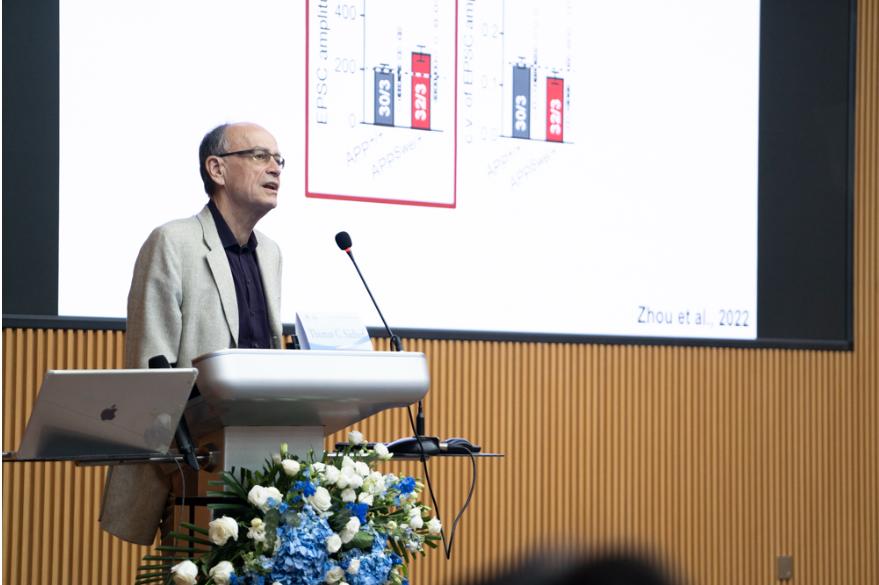
Professor Thomas C. Südhof (Stanford University, Nobel Laureate in Physiology or Medicine, 2013) introduced his team’s research on reducing Aβ protein deposits via the APP–Aβ pathway in Alzheimer’s disease. He also discussed the limitations of Aβ-targeting antibodies, offering valuable guidance for future therapeutic strategies.
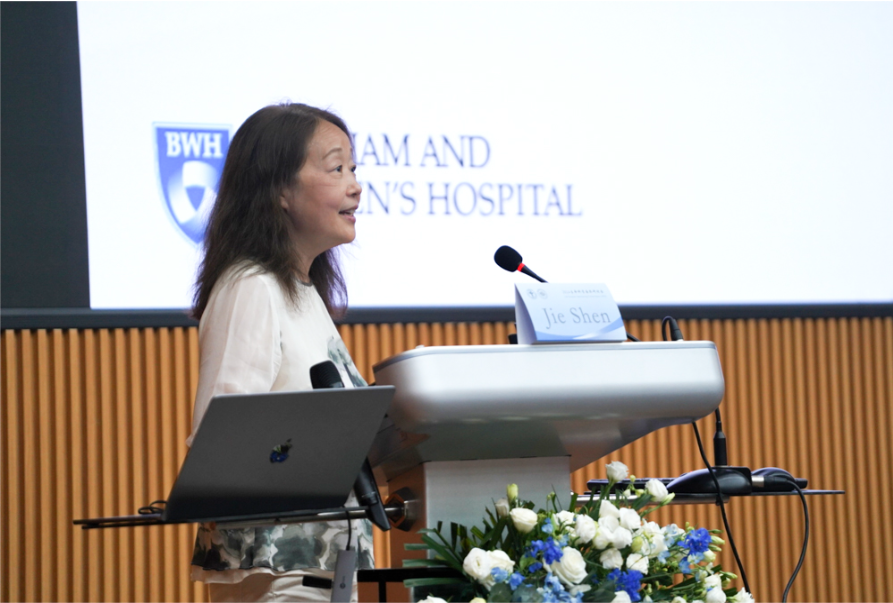
Professor Jie Shen (Harvard Medical School) presented her work on presenilin proteins and the PSEN1 gene, providing systematic insights into their role in triggering Alzheimer’s disease.
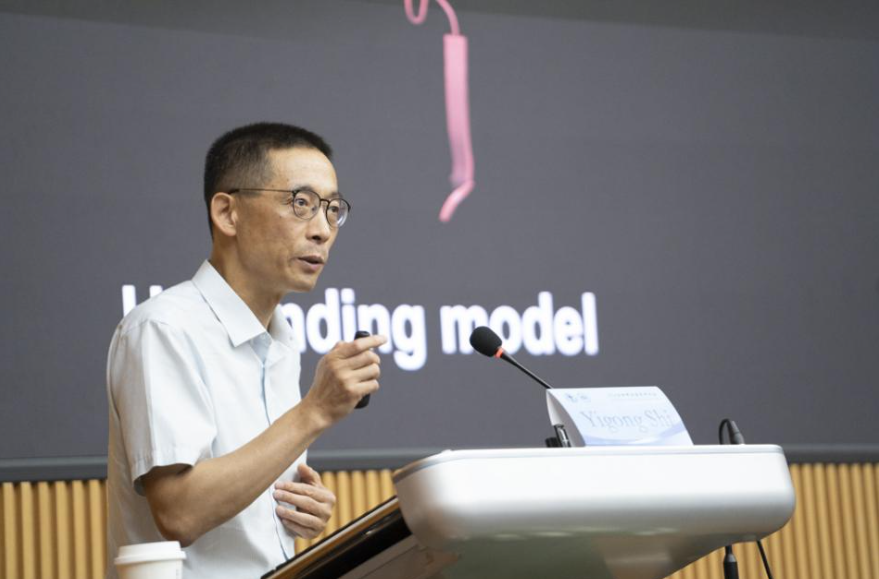
Academician Yigong Shi (Westlake University/Tsinghua University) reported his team’s structural analyses of Aβ40 and Aβ42 proteins, proposing a piston model for APP and validating the mechanism of γ-secretase. He also revealed new findings on human apolipoproteins and demonstrated the feasibility of blocking APOE4–LilrB3 binding with small molecules and nanoparticles.
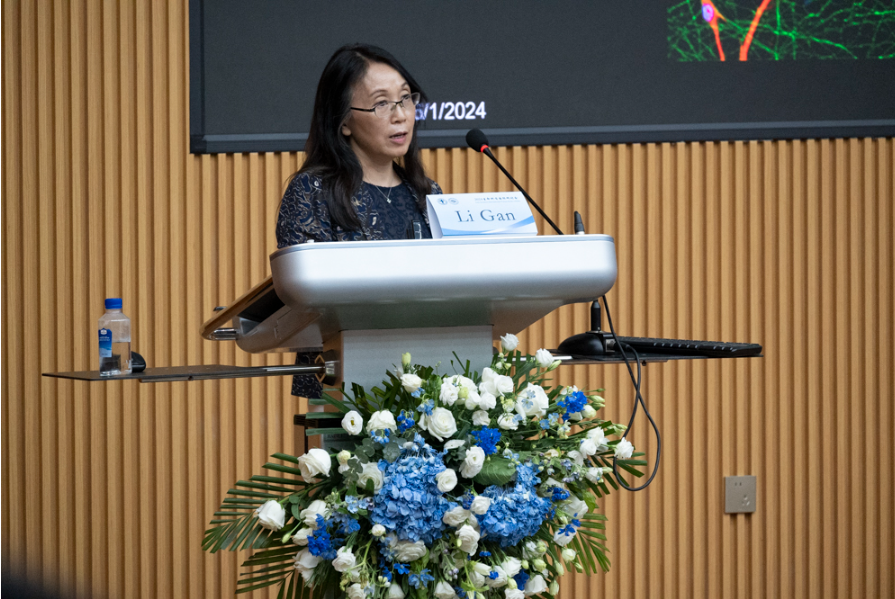
Professor Li Gan (Weill Cornell Medicine) discussed how neuro-immune interactions shape Alzheimer’s disease progression. Using a human neuronal model expressing 4R Tau with the P301S MAPT mutation and CRISPRi screening, her team identified more than 500 genetic modifiers of seed-induced Tau propagation—uncovering novel therapeutic targets for Tau-related diseases.
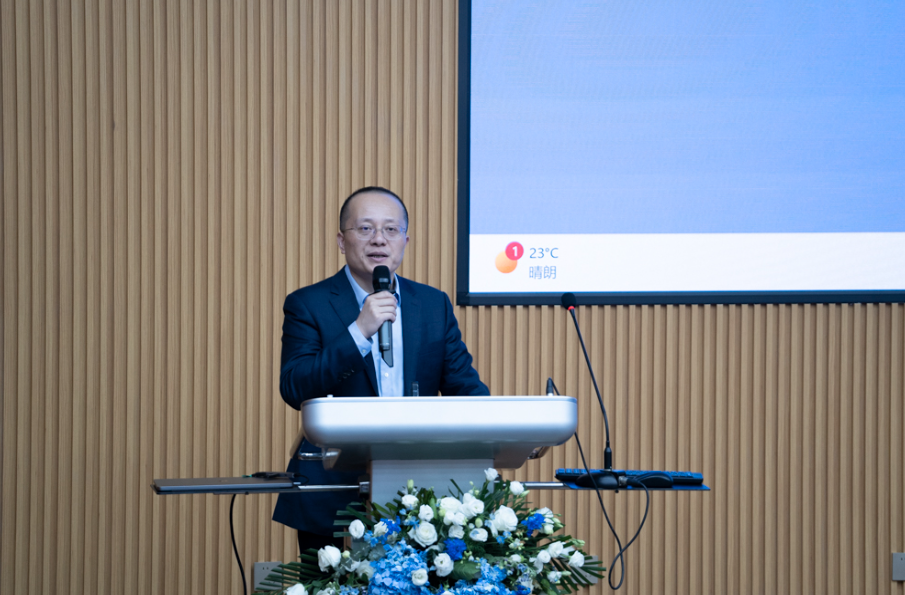
Professor Chen Zhang (Capital Medical University) explored the role of gut microbiota in Alzheimer’s disease pathogenesis. His studies using 5xFAD mice implanted with different microbiota shed new light on gut–brain interactions and opened avenues for novel therapeutic approaches.
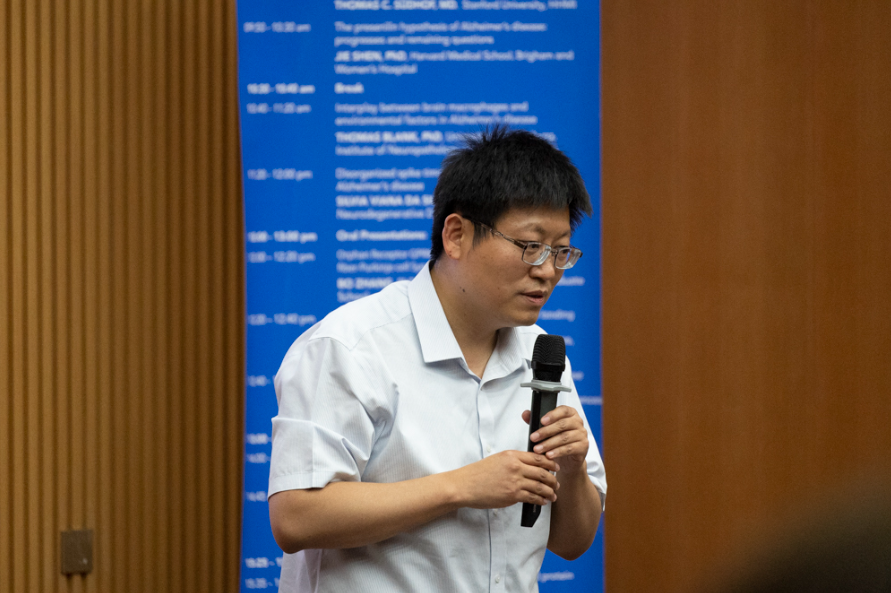
Professor Peng Cao (Beijing Institute of Life Sciences) presented research on neurodegenerative protein aggregation, revealing mechanisms of Aβ deposition and associated gene networks through fluorescent protein tracing in AD model mice.
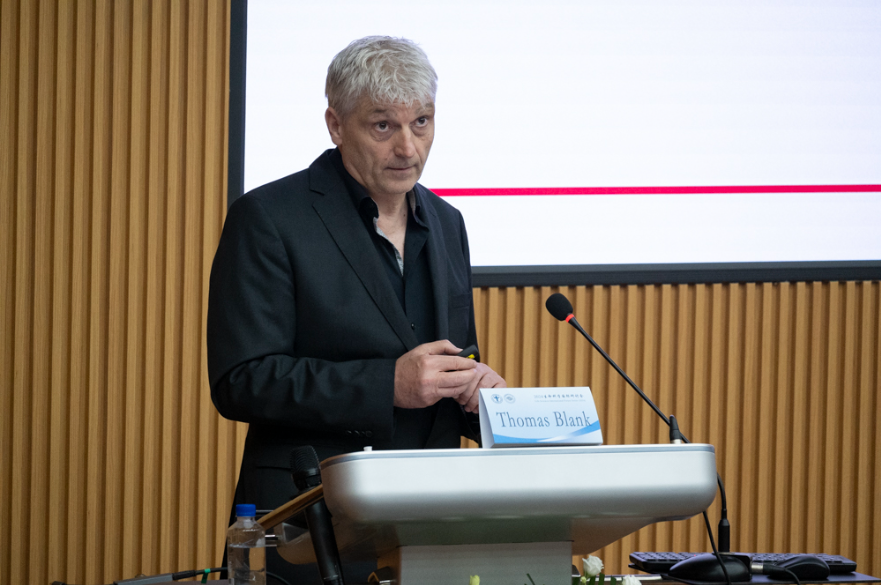
Professor Thomas Blank (University of Freiburg) examined the interactions between brain macrophages and their microenvironment in Alzheimer’s disease, providing new understanding of disease progression.
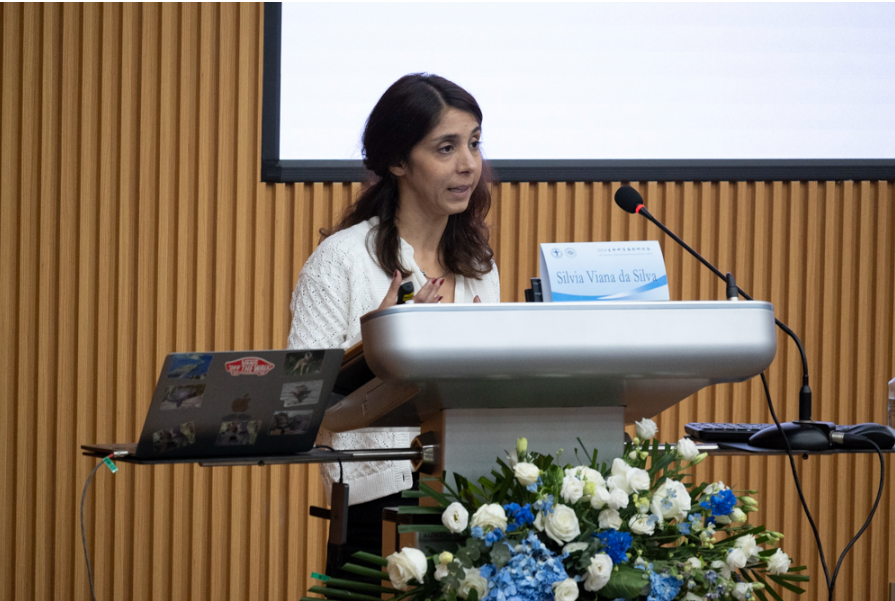
Professor Silva Viana Da Silva (German Center for Neurodegenerative Diseases) reported behavioral analyses in genetically modified mouse models, elucidating the duration of the asymptomatic phase of Alzheimer’s disease and offering new insights for early diagnosis.
Faculty and students from Capital Medical University and the State Key Laboratory engaged actively in discussions, creating an enthusiastic and collaborative atmosphere. Experts including Academician Nieng Yan and Professor Lin Mei also participated, further enriching the Q&A sessions with in-depth exchanges on Alzheimer’s disease etiology and treatment strategies.
On the evening of May 31, a roundtable discussion titled “Pathogenesis of Alzheimer’s Disease and Future Research Directions” was held. Professor Thomas C. Südhof, Professor Rao Yi (President of Capital Medical University), and symposium speakers shared the latest findings from their respective fields and engaged in forward-looking discussions on innovative treatment strategies.
By convening leading experts, scholars, and young scientists from China, the United States, Germany, and beyond, the symposium fostered global academic exchange and collaboration. It provided a valuable platform for advancing research on neurodegenerative diseases, particularly Alzheimer’s disease, and offered new directions for therapeutic development.