

The 6th International Young Scholars Forum - Life Sciences Sub-Forum Held Successfully
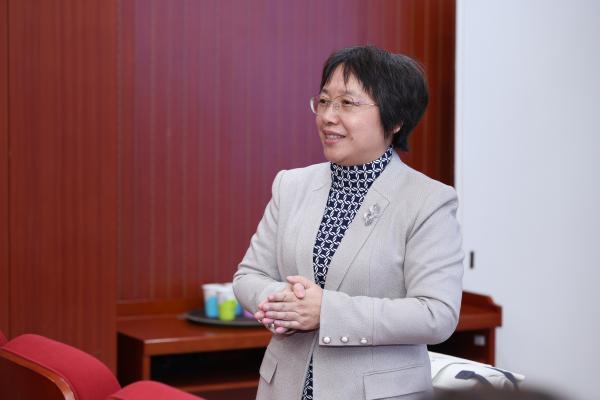
On October 23rd, the 6th International Young Scholars Forum of Capital Medical University kicked off at the Academic Lecture Hall. In the afternoon of the same day, the Life Sciences Sub-Forum, hosted by the School of Basic Medical Sciences, followed immediately. This sub-forum consisted of two parallel sessions: keynote speeches by international experts and presentations by international young scholars. Adopting an "online + offline" integrated model, it gathered experts, scholars and young talents from Australia, the Netherlands, Russia, the United States and other countries to conduct in-depth exchanges around cutting-edge research in life sciences and medicine. Porfessor Huang Haixia, Deputy Dean of the School of Basic Medical Sciences, presided over the opening ceremony of the sub-forum.
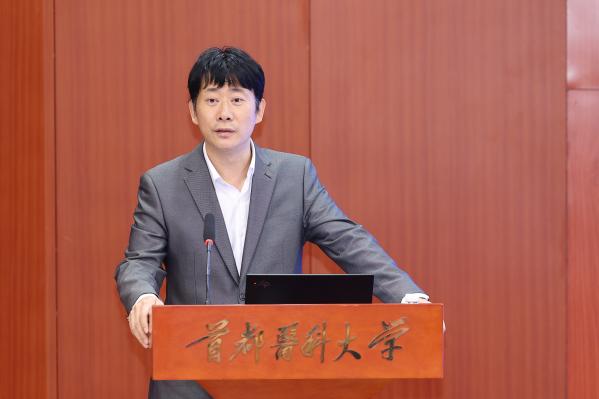
At the opening ceremony, Porfessor Yan Zhiqiang, Dean of the School of Basic Medical Sciences, delivered a speech on behalf of the school. He first extended a warm welcome to the international experts and young scholars coming from afar, then introduced the school's core philosophy and practical achievements in innovative talent cultivation and high-quality development. He emphasized that the School has always regarded talents as the core driving force for development, and sincerely invited well-known experts and outstanding young scholars at home and abroad to join, work together to tackle major challenges in the frontier fields of life sciences and medicine, and jointly promote disciplinary development and technological breakthroughs.
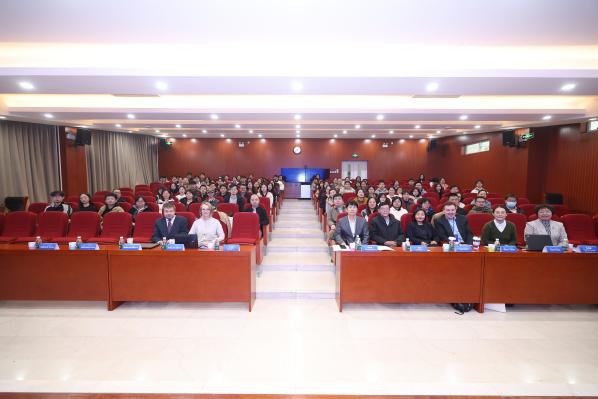
After the opening ceremony, the two parallel sessions launched simultaneously. The International Experts Session was held in Conference Room 78, the 2nd Teaching Building. Four international experts delivered keynote speeches successively based on their own research fields. Professor Sun Ying and Associate Professor Yu Baoqi from the School of Basic Medical Sciences co-hosted the session, and faculty members and graduate student representatives of the school attended on site.
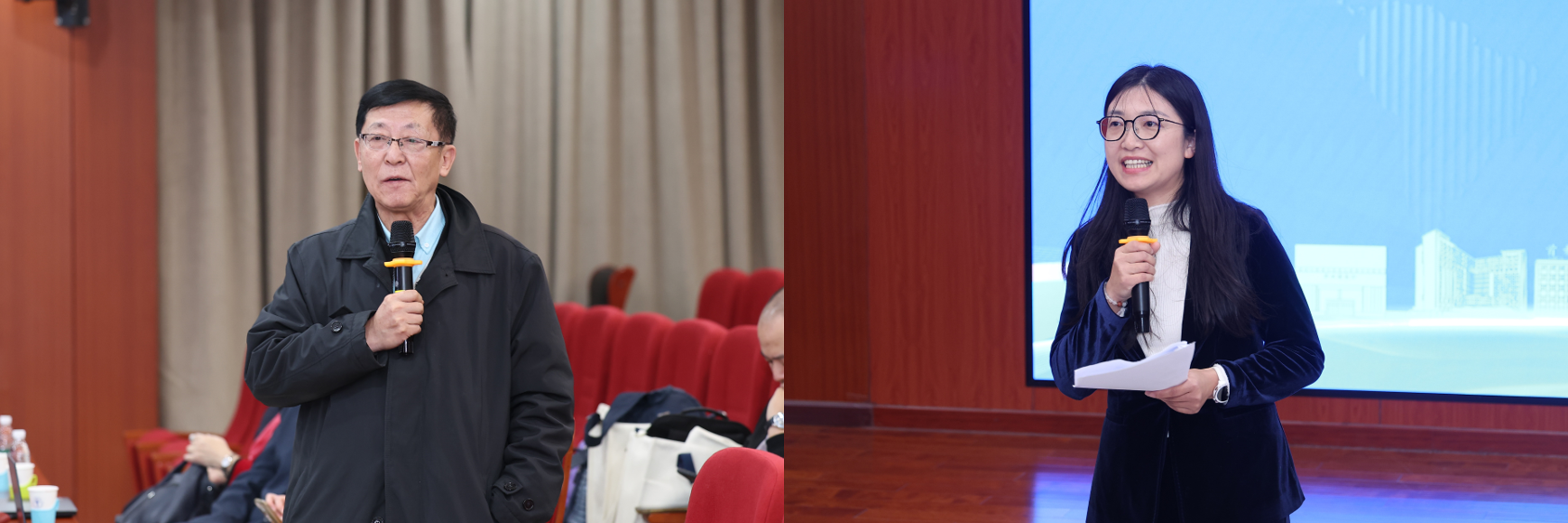

Professor Chen Hui from the University of Technology Sydney, Australia, delivered a keynote speech titled "Sex biases in brain response to air pollution". Through empirical research, she revealed the significant gender specificity of the impact of air pollution exposure on the brain, and proposed that intervention strategies need to fully consider gender differences, providing a new perspective for related research.
Professor Brian G. Oliver from the Woolcock Institute of Medical Research/ University of Technology Sydney, Australia, gave a speech themed "The dangers of electronic cigarettes". He systematically explained the multiple threats of e-cigarettes to human life and health from key dimensions such as the intergenerational impact of smoking during pregnancy, the risks of third-hand smoke, and the mechanism of lung injury, providing important references for public health prevention and control.
Director Parmon Elena Valerievna from Almazov National Medical Research Centre, Ministry of Health of the Russian Federation, took the Almazov Centre as a typical case, detailed the characteristic advantages and innovative practices of Russia in the construction of medical education system and talent training model, and provided valuable experience for Sino-foreign medical education exchanges.
Dr. Zhang Deli from Wageningen University & Research in the Netherlands delivered a speech titled "Targeting Mitochondrial and Metabolic Remodeling to Prevent Cardiac Disease". She analyzed the pathogenesis and prevention paths of heart disease, focused on the core role of mitochondrial damage in disease progression, and shared the team's latest research data and breakthrough findings, injecting new momentum into the research on prevention and treatment of cardiovascular diseases.
The International Young Scholars Session was held in Conference Room 296, Jieping Building, presided over by Dean Yan Zhiqiang. Members of the Academic Committee of the School and more than 20 overseas young scholars participated in the session. Seven young scholars from home and abroad reported their latest research results online or offline. The presentation content covered topics such as nutritional modulation of metabolic aging, mechanism of multi-system interaction promoting brain development, mechanism of immunoreceptor triggering, Th17 cells and autoimmune diseases, fully demonstrating the innovative vitality and academic potential of young scholars.
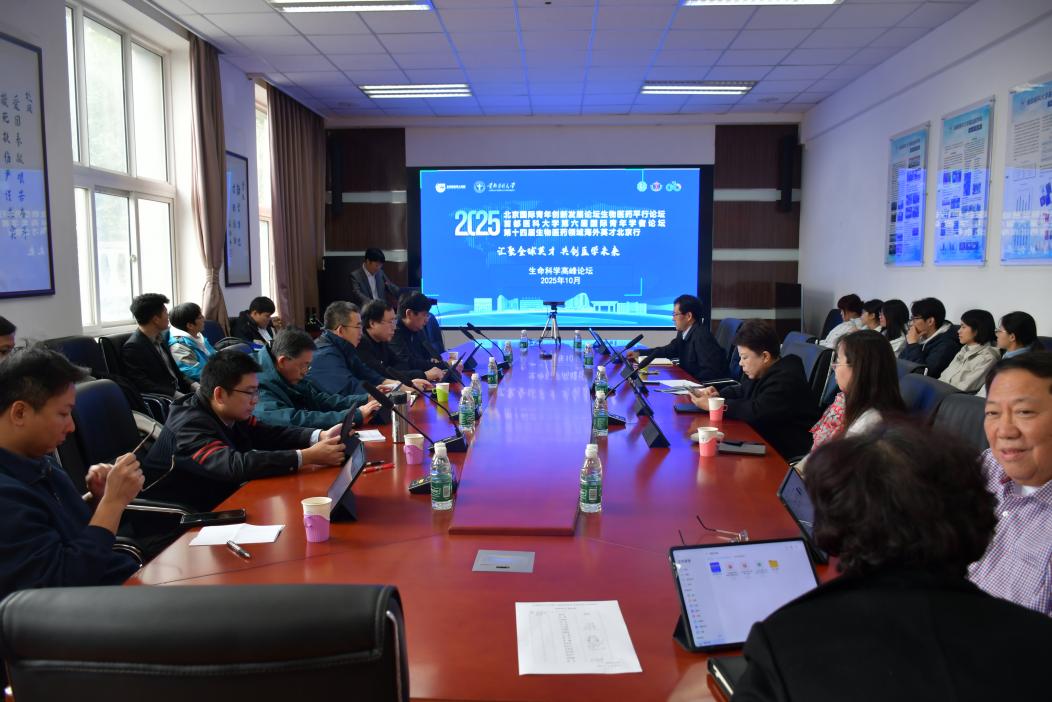
In his concluding speech, Dean Yan Zhiqiang pointed out that the successful holding of this Life Sciences Sub-Forum has effectively deepened the academic connection between the school and universities, scientific research institutions at home and abroad, and built a solid bridge for substantive cooperation in the future. In the future, the School will continue to uphold the concept of open cooperation, strive to build a normalized and high-level academic exchange platform, provide more opportunities for exchanges and cooperation for experts, scholars and young talents at home and abroad, assist in the training of innovative talents and the transformation of scientific research achievements in the fields of life sciences and medicine, and make greater contributions to safeguarding human health.