


Capital Medical University team elucidates a calcium-overload–driven neuronal death mechanism
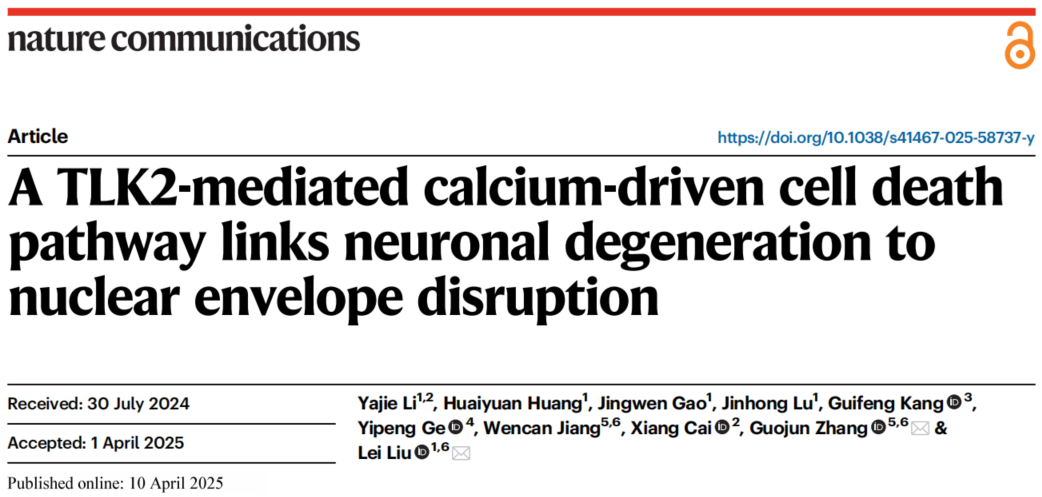
A research team led by Professor Lei Liu at the School of Basic Medical Sciences, Capital Medical University, has published an article in Nature Communications entitled “A TLK2-mediated calcium-driven cell death pathway links neuronal degeneration to nuclear envelope disruption.” The study is the first to clearly delineate molecular differences between neuronal calcium overload and excitotoxicity, and it identifies TLK2 as a selective marker of calcium overload and a key regulator of calcium-overload–induced neuronal death. Based on these findings, the authors define a previously unrecognized neuronal death pathway, which they term “Catoptosis.” Dr. Yajie Li is the first author; Professor Lei Liu (senior corresponding author) and Professor Guojun Zhang of Beijing Tiantan Hospital, Capital Medical University, are co-corresponding authors.
Background. Calcium overload—characterized by disrupted calcium homeostasis and sustained intracellular calcium elevation—is a hallmark of brain aging and multiple neurodegenerative disorders, including Alzheimer’s disease and Parkinson’s disease. Although calcium overload is known to be neurotoxic, its precise mechanisms have remained incompletely defined. By contrast, excitotoxicity, typically associated with transient ischemic episodes and excessive glutamate release, operates via distinct molecular processes.
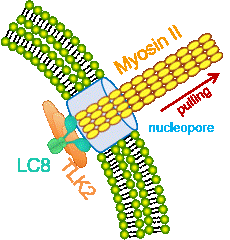
Key findings. Using Drosophila genetic models, the team experimentally separated the molecular mechanisms of calcium overload from those of excitotoxicity. They found that TLK2 specifically accumulates in neurons experiencing calcium overload and forms a complex with LC8 and myosin IIA near the nuclear envelope. This complex promotes nuclear envelope rupture, leading to DNA damage and aberrant cell-cycle re-entry in neurons, thereby accelerating neuronal death. Concordant evidence in mammalian cell systems and a mouse glaucoma model demonstrated that genetic or pharmacological inhibition of TLK2 markedly reduces neuronal death triggered by calcium overload.
Significance. The results establish TLK2 as both a mechanistic biomarker of calcium overload and a promising therapeutic target for neurodegenerative diseases. The discovery of Catoptosis offers a new conceptual framework for understanding disease pathogenesis and provides a foundation for developing targeted interventions against calcium-overload–related neurodegeneration.
Figure. Mechanistic schematic of TLK2-mediated nuclear envelope rupture in neurons under calcium overload.
Funding. This work was supported by the Basic Scientific Research Operating Expenses of Central Public Welfare Research Institutes of the Chinese Academy of Medical Sciences (2024-JKCS-11); the “Dengfeng” Talent Program of the Beijing Hospital Authority (DFL20220505); the Beijing High-Level Public Health Technology Talent Training Program (Discipline Leader-01-13); and the Basic–Clinical Joint Laboratory of Capital Medical University (Joint Clinical and Basic Laboratory for Neuroinfection Experimental Diagnosis).
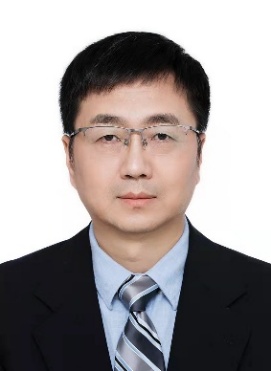
Author bios.
Lei Liu, Professor of Biochemistry and doctoral advisor at the School of Basic Medical Sciences, Capital Medical University, focuses on the molecular mechanisms of cell death and aging and their pharmacological modulation. He serves on several national academic committees and has led or participated in multiple national research programs. As corresponding author, he has published in Nature Chemical Biology, JCI, Redox Biology, PNAS, Cell Death & Differentiation, and PLoS Genetics, and holds six authorized invention patents, some under translation to practice.
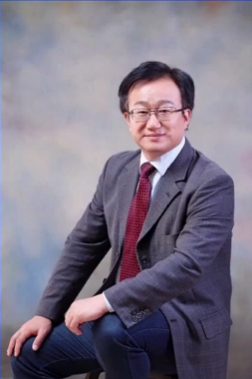
Guojun Zhang, Professor and doctoral advisor, Director of the Experimental Diagnostics Center at Beijing Tiantan Hospital, and chief scientist of a “14th Five-Year Plan” national key R&D program, studies disease biomarkers and mechanisms of neurological disorders. He directs several national and municipal laboratories and centers, has led national and municipal research grants, published more than 60 SCI papers as first/corresponding author, edited 15 books, holds seven invention patents and one software copyright, and has completed two technology transfers.