


Department of Pathogen Biology
The Department of Pathogen Biology at Capital Medical University was established in 2000 through the merger of the Division of Human Parasitology and the Division of Medical Microbiology. In 2002, it was designated as a Key Construction Discipline by Beijing Municipality. In 2003, it was approved as a doctoral degree-granting unit, and in 2008, it was recognized as a "Beijing Key Discipline" by the Beijing Municipal Education Commission and authorized as the "Academic Innovation Team in Pathogen Biology." In 2009, it became part of the Postdoctoral Research Station in Basic Medicine and served as a key component in the university's approval for the first-level doctoral program in Basic Medicine in 2011.
Since the university's founding in 1960, the Division of Human Parasitology has undergone over six decades of development. The discipline was authorized to confer master's degrees in 1979 and doctoral degrees in 2003. The course Human Parasitology was awarded the title of "Beijing Municipal Excellent Course" in 2004. Over the years, faculty members have served as chief or contributing editors for more than 30 national textbooks commissioned by the National Health Commission and the Ministry of Education. The department led the compilation of the “12th and 13th Five-Year Plan National Planning Textbook for Human Parasitology” (for five-year clinical medicine programs) and the “12th Five-Year Plan National Planning Textbook”(for eight-year clinical medicine programs). It has trained numerous five-year and extended-program medical undergraduates, as well as nearly 100 master's and doctoral students.
The department has long been engaged in research on molecular parasitology and parasite immunology, undertaking projects funded by the China Medical Board (CMB), National Major Science and Technology Projects, National Natural Science Foundation of China (NSFC), Ministry of Education Doctoral Program Fund, Beijing Municipal Science & Technology Commission, Beijing Municipal Education Commission, and Beijing Natural Science Foundation. To date, the department has published over 200 academic papers, including more than 60 SCI-indexed articles, and has received over 20 provincial/ministerial-level scientific achievement awards and 9 national invention patents, establishing a strong reputation in the field.
The Division of Medical Microbiology was founded in 1960 by renowned microbiologists Professor Songgao Cheng and Professor Ren Chen. It was approved for master's degree conferral in 1979 and recognized as a Beijing Key Construction Discipline in 1996. The course Medical Microbiology was designated as a university-level excellent course in 2007. Faculty members have edited or contributed to nearly 20 national textbooks and reference books. In recent years, the department has secured funding from the National Key R&D Program, Major Infectious Disease Prevention Projects under the 13th Five-Year Plan, NSFC Excellent Young Scientists Fund, NSFC Major Projects, Beijing Natural Science Foundation, and Beijing Municipal Science & Technology Commission. It has published over 50 SCI papers in the past five years, demonstrating significant academic influence.
The department has received numerous honors, including 1 Yunnan Provincial Health Science & Technology Achievement Award, 1 National First Prize in Basic Medicine Teaching Competition for Young Faculty, 8 National Scholarships/Beijing Outstanding Graduate Awards for Postgraduates, 1 Beijing Outstanding Undergraduate Thesis Award (Provincial/Ministerial Level), 1 Third Prize in the Northern Division of the National Basic Medicine Innovation & Experimental Design Competition (Provincial Level), 1 National Outstanding Poster Award. Prof. Xinping Zhu has received the State Council Special Allowance, "Beijing Outstanding Contribution Expert," "Beijing Teaching Master," "Beijing Outstanding Doctoral Thesis Supervisor," "Beijing Excellent Teacher," and "Beijing People's Teacher Nomination Award." Her “13th Five-Year Plan Textbook on Human Parasitology” won the Second Prize in the First National Textbook Construction Awards. The Human Parasitology Research Team was honored as the "Beijing Outstanding Postgraduate Supervisor Team." Prof. Yan Wu has been honored with the "Young Beijing Scholar" , Zhongyuan Xiehe Life Medicine Award, and the 14th Wu Mengchao Medical Youth Award.
The department places great emphasis on talent development and team building, comprising renowned pathogen biology experts, dynamic mid-career leaders, and emerging young scholars. The Department of Pathogen Biology consists of the Division of Parasitology and the Division of Microbiology, with a total of 17 faculty members, including 5 professors, 5 associate professors, 5 lecturers, 1 associate senior technician, and 1 senior technician. The majority hold doctoral or master's degrees. In addition to teaching responsibilities, all faculty members lead or participate in multiple provincial/ministerial and university-level research projects.
Teaching Activities
The department currently offers the following courses:
- For international students: Medical Microbiology and Medical Parasitology (taught in English)
- For undergraduates: Human Parasitology, Medical Microbiology, Molecular Virology, General Pathogen Biology, and Pathogen Biology and Immunology Laboratory Course
- For postgraduates: Advances in Infectious Diseases
The department has produced 1 Beijing Young Teaching Master and trained numerous five-year and extended-program medical undergraduates, as well as nearly 100 master's and doctoral students.
Research Activities
The department currently hosts three principal investigator (PI) teams with the following research focuses:
- Pathogenesis and Immunoprophylaxis of Zoonotic Parasitic Diseases
(1) Immunomodulation by helminths and autoimmune diseases: Investigating the mechanisms by which helminth infections and helminth-derived molecules regulate host immunity and their potential applications in treating autoimmune diseases.
(2) Immune evasion mechanisms in parasitic helminths: Studying interactions between parasitic helminths and host immune systems, particularly mechanisms by which helminths evade complement system attacks.
(3) Impact of parasitic helminths on host gut microbiota and regulatory mechanisms: Exploring how helminth infections influence gut microbiota and host immune regulation.
(4) Anti-trichinellosis vaccines and immunological mechanisms: Screening diagnostic antigens and vaccine candidates for developing diagnostic reagents and vaccines against parasitic diseases.
- Viral Pathogenesis and Prevention Strategies
(1) Pathogenesis and prevention of mosquito-borne viruses:
- Molecular mechanisms of virus-host cell interactions during dengue virus, Zika virus, and Japanese encephalitis virus infections.
- Characteristics of cross-immunity among major mosquito-borne viruses and their roles in related infectious diseases.
- Evaluation of nucleic acid vaccines against dengue virus, Zika virus, and Japanese encephalitis virus.
(2) Association and mechanisms between persistent/latent herpesvirus infections and major brain diseases (e.g., glioma, Rasmussen's encephalitis).
- Invasion Mechanisms of Viral Infectious Diseases and Antiviral Drug Development
(1) Research focuses on viral infection mechanisms and antiviral strategies against major human pathogens, including severe fever with thrombocytopenia syndrome virus, SARS-CoV-2, influenza virus, monkeypox virus, and hantavirus.
(2) The objectives are to elucidate dynamic virus-host interactions, identify potential drug targets, and develop vaccines, specific antibodies, and small-molecule drugs, thereby providing theoretical and technical support for rapid diagnosis, effective prevention, and precise treatment of viral infectious diseases.
In recent years, the department has secured over 30 competitive research grants, including sub-projects of National Major Science and Technology Projects, NSFC projects, National Microbial Resource Platform projects, Beijing Natural Science Foundation projects, Beijing Municipal Education Commission Key Projects, Ministry of Education Doctoral Program Fund projects, and Beijing Higher Education Institutions Innovation Team projects.
As the first or corresponding author affiliation, the department has published nearly 100 SCI papers in prestigious international journals, including Science, Nature Immunology, PNAS, Nature Communications, EBioMedicine, Cell Reports, PLoS Pathogens, Clinical Infectious Diseases, and Emerging Microbes & Infections. In addition, the department has obtained multiple international and national invention patents, among which two have been successfully translated into practical applications.
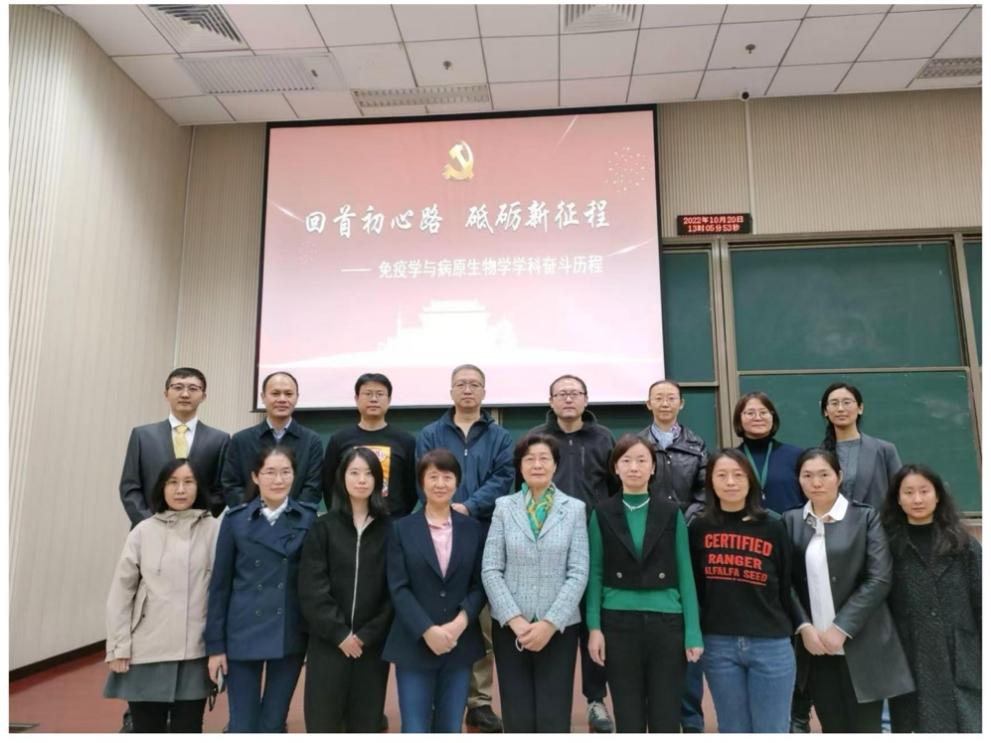
Figure 1: Group Photo of the Faculty from the Department of Pathogen Biology.
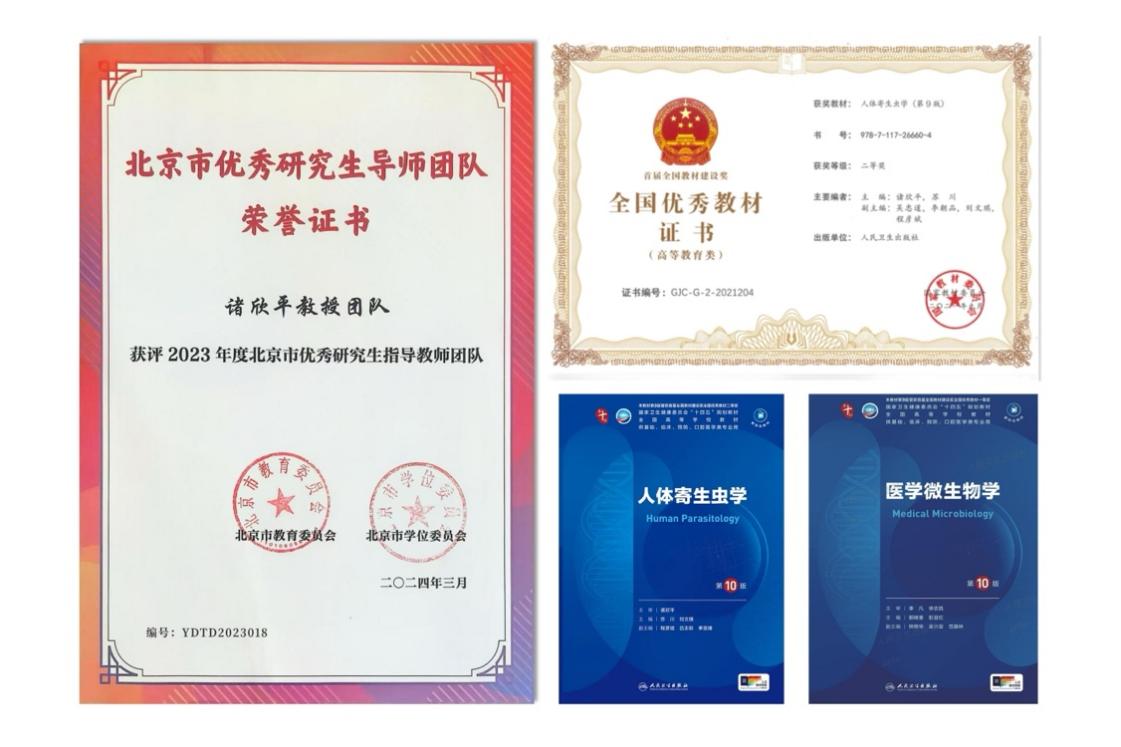
Figure 2: Showcase of Selected Teaching Achievements from the Department of Pathogen Biology.
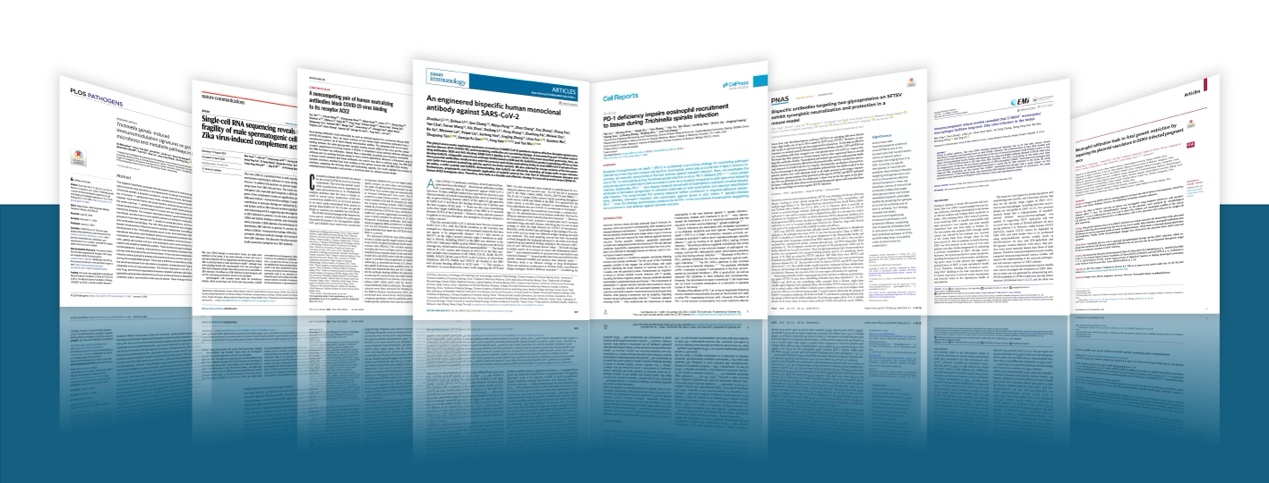
Figure 3: Faculty from the Department of Pathogen Biology Publishing Papers in Top Journals such as Science, Nature Immunology, PNAS, Nature Communications, EBioMedicine, Cell Reports, PLoS Pathogens, and Emerging Microbes & Infections.
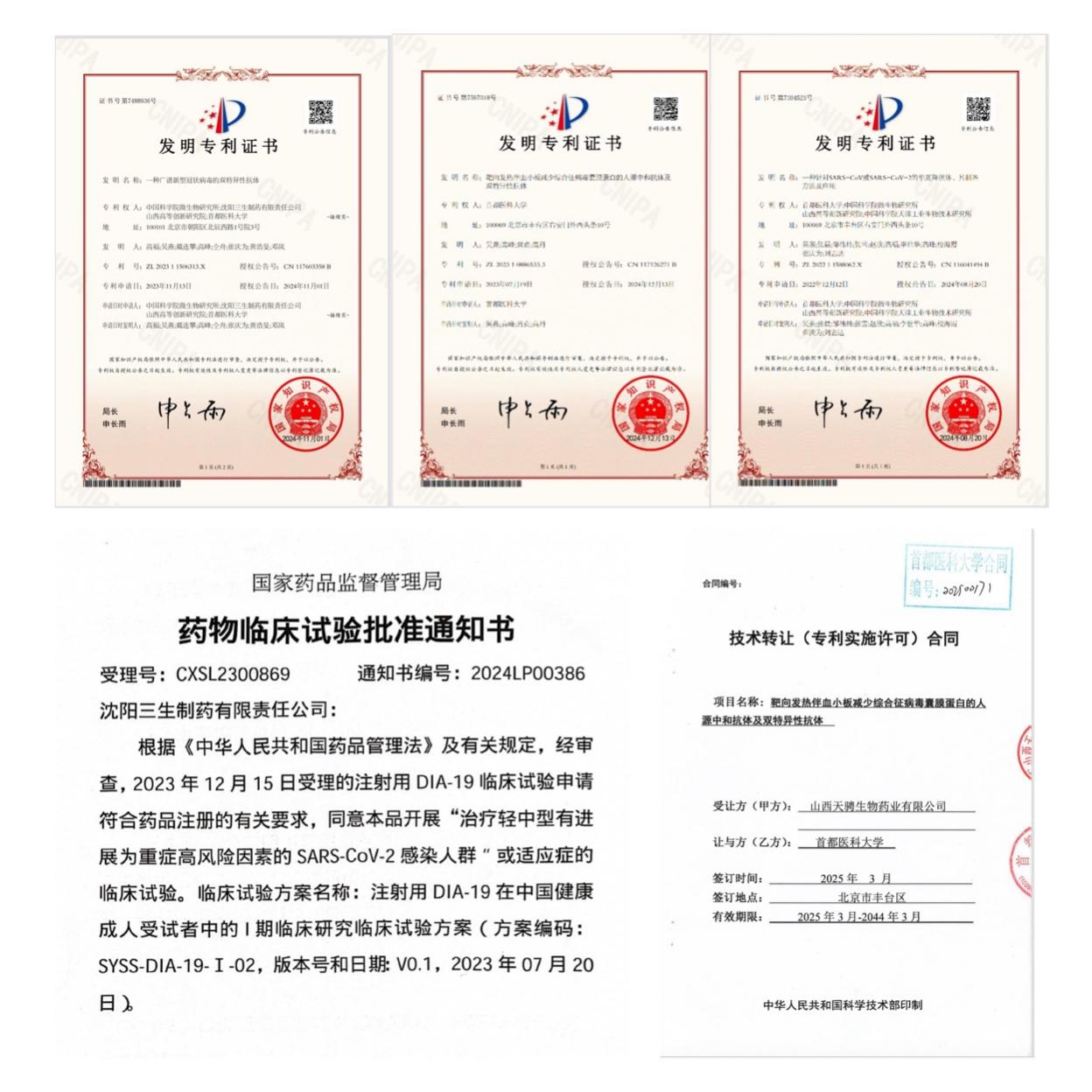
Figure 4: Patents and Technology Transfer of Scientific Achievements by the Faculty from the Department of Pathogen Biology.